
Paediatric Occupational Therapy Penrith | Western Sydney
Helping Children Build Confidence, Independence & Essential Life Skills
From Their Very First Steps to Adulthood
Whether your child has recently received a diagnosis, is struggling at school, is finding everyday activities difficult, or you simply feel something isn't quite right, our specialist Paediatric Occupational Therapy team is here to help. Through evidence-based Occupational Therapy, family-centred care and personalised programs, we help children participate confidently at home, school and in the community. Immediate appointments available, no long waiting lists.
- NDIS
- Immediate Appointments
- Ages 0–18
- Free Consultation
- Home & School Visits
Trusted by families across Penrith and Western Sydney for specialist Paediatric Occupational Therapy.
FREE 15-Minute Parent Consultation
Not sure whether your child needs Occupational Therapy? Speak with our Paediatric OT before committing to an appointment.
No pressure. No obligation. Just professional guidance.
What we cover in your call
A focused conversation designed to give you clarity, not a sales pitch.
Because Every Child Deserves the Opportunity to Thrive
For many parents, the first signs are subtle. Perhaps your child:
Every child develops differently. Some reach milestones earlier than expected, while others simply need additional support to develop the confidence and skills required for everyday life. These challenges can affect much more than school performance, confidence, independence, friendships, emotional wellbeing and family life. Early intervention through Occupational Therapy provides practical strategies and confidence-building opportunities that can positively influence development for years to come.
Avoids using pencils or scissors
Fine motor challenges can make school tasks tiring and frustrating for children.
Becomes overwhelmed by loud noises or crowded environments
Sensory sensitivities may affect how your child participates at school, home and in the community.
Has difficulty sitting still in the classroom
Attention and regulation challenges can impact learning and classroom confidence.
Struggles with dressing independently
Self-care skills are an important part of everyday independence for children.
Finds handwriting frustrating
Handwriting difficulties often affect schoolwork, confidence and willingness to participate.
Experiences frequent emotional meltdowns
Emotional regulation support helps children manage big feelings across environments.
Avoids playground equipment
Movement and coordination challenges can limit play, friendships and physical confidence.
Has difficulty making friends
Social participation is a key part of childhood: therapy can support connection and confidence.
Falls behind classmates
When everyday skills lag behind peers, early support can help close the gap and rebuild confidence.
Needs constant reminders to complete simple tasks
Organisation and executive functioning strategies help children manage everyday demands.
Why Parents Across Penrith & Western Sydney Choose Nepean Advanced Rehab
Choosing the right Occupational Therapist is one of the most important decisions a family can make. Parents don't simply want therapy, they want someone who genuinely understands children, listens, celebrates every small achievement, and works alongside families.
Our specialist Paediatric Occupational Therapist has extensive experience supporting children with a wide range of developmental conditions and has supervised more than 11 Paediatric Occupational Therapists, bringing advanced clinical knowledge and leadership to every assessment and therapy program.
Immediate Capacity
Many families wait months for Paediatric OT. Children's development doesn't pause, we prioritise prompt access to support.
Specialist Paediatric Expertise
Extensive clinical experience across developmental conditions, plus supervision of more than 11 Paediatric Occupational Therapists.
Functional Outcomes That Matter
Therapy linked to real-world skills: dressing, writing, school participation, friendships, emotions and independence.
Family-Centred Care
Parents remain at the centre of every plan. We empower families with practical strategies for everyday progress.
NDIS Specialists
Support with assessments, goal setting, FCAs, progress reports, AT recommendations and Capacity Building supports.
Collaborative Approach
Working with families, educators and support networks so strategies are consistent across all environments.
How We Deliver Therapy
Flexible appointment options designed around your family's needs.
In-Clinic Therapy
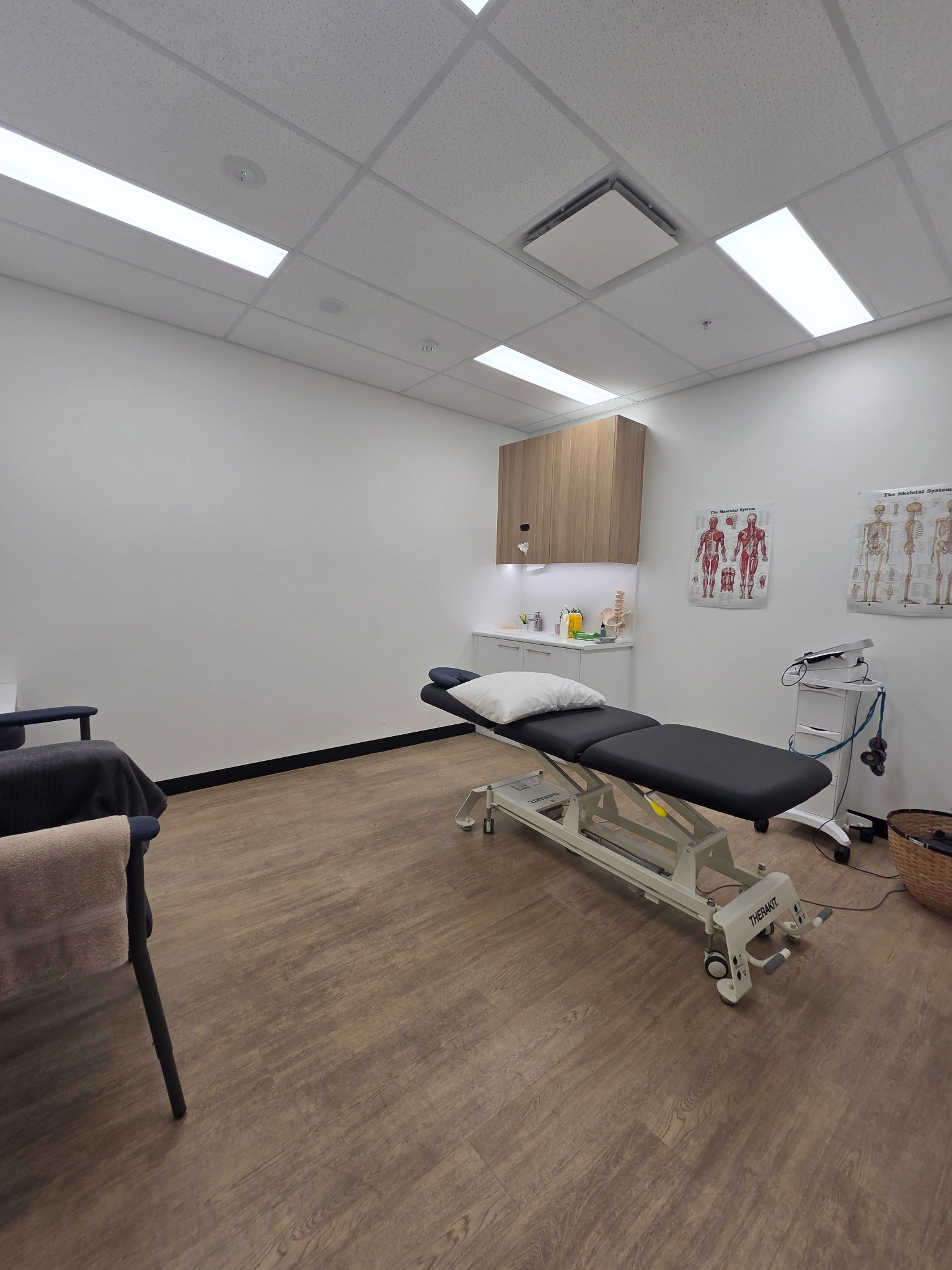
Sessions in our Penrith clinic with specialist paediatric equipment and a calm, child-friendly environment.
Home Visits
Therapy in the place your child feels most comfortable: ideal for routines, self-care and family coaching.
School Visits
Collaboration with teachers so strategies support classroom participation, handwriting and organisation.
Childcare Visits
Early support in childcare settings to build play skills, regulation and readiness for the next stage.
Community Visits
Real-world practice in community environments to build confidence and functional independence.
Telehealth Consultations
Where clinically appropriate: parent coaching, reviews and guidance without travel.
More Than Therapy A Partnership With Your Family
Many parents tell us they felt overwhelmed before reaching out. Some had been told to “wait and see.” Others had been placed on waiting lists for months. Some simply didn’t know where to begin.
From your very first phone call, our goal is to make the process simple, supportive and reassuring:
No confusing jargon: we explain everything in clear, everyday language.
No rushed appointments: time to listen, ask questions and feel understood.
No one-size-fits-all programs: pathways shaped around your child and family.
We'll explain everything clearly, answer your questions honestly and develop a therapy pathway that makes sense for your family, supporting children from birth through 18 years.
Is My Child Developing as Expected?
“Is this just a phase, or should I be concerned?” Every child develops at their own pace, but when delays begin affecting everyday activities, school participation, communication, independence or confidence, it may be time to seek professional advice. Parents often notice subtle changes long before anyone else. Perhaps your child:
Becomes frustrated with simple tasks
Avoids playground equipment
Refuses to wear certain clothing
Struggles to make friends
Tires quickly during handwriting
Has difficulty following routines
Needs constant reminders
Finds transitions extremely challenging
Becomes overwhelmed in busy environments
Avoids eye contact during play
Constantly seeks movement
Has frequent emotional outbursts
Struggles to organise themselves
Cannot sit through meals
Avoids brushing teeth or hair
Is significantly behind classmates
These are not simply behaviours, they may indicate underlying difficulties with sensory processing, motor planning, executive functioning or emotional regulation. Early understanding means earlier support.
The Earlier We Understand the Challenge, the Earlier We Can Help
Research consistently shows that children benefit when developmental concerns are identified and supported as early as possible. The developing brain has remarkable capacity for learning during childhood.
When children receive timely intervention, they have greater opportunities to develop the skills needed for:
Learning
Play
Independence
Emotional wellbeing
School participation
Social relationships
Daily living
Community participation
Early intervention does not simply improve current functioning it often changes the trajectory of a child's long-term development. Our goal is not to “fix” children. Our goal is to equip them with the skills, confidence and strategies they need to succeed in their own unique way.
Supporting Children Through Every Stage of Development
Every stage of childhood presents different developmental expectations. Tap a stage to explore how we support your child.
Conditions We Commonly Support
Every child is unique. Rather than treating a diagnosis alone, we focus on how that diagnosis affects your child's everyday life.
We Look Beyond the Diagnosis
A diagnosis helps explain certain challenges but it doesn't define your child. Every assessment begins with understanding your child as a whole person.
Every assessment begins with understanding:
What your child enjoys
What motivates them
What they find difficult
What your family wants to achieve
What success looks like for your child
Our therapy is always personalised because no two children are the same.
Every Small Achievement Builds a Bigger Future
These moments may seem small to others, but for many families they represent enormous milestones. At Nepean Advanced Rehab, we celebrate every achievement because every new skill creates opportunities for greater independence, confidence and participation in everyday life.
We celebrate progress such as:
Understanding Your Child Starts With the Right Assessment
Every child has their own strengths, abilities and challenges. That's why effective Occupational Therapy begins with understanding how your child functions in everyday life not simply what diagnosis they have.
A comprehensive Occupational Therapy assessment provides a clear picture of your child's current abilities, identifies barriers affecting participation and independence, and helps create an individualised therapy plan tailored to their goals. At Nepean Advanced Rehab & Allied Health Centre, our assessments go beyond checklists. We take the time to understand your child as a whole person by considering how they participate at home, school, childcare and within the community. Rather than asking, “What's wrong?” we ask:
What can your child already do well?
What activities are becoming difficult?
What supports would make everyday life easier?
How can we help your child become more independent?
A Thorough Assessment Creates Better Outcomes
Children grow and change rapidly. An accurate assessment allows us to identify not only current challenges but also opportunities for development.
Following your child's assessment, you'll have a much clearer understanding of:
Your child's strengths
Areas requiring additional support
Functional skills
Developmental progress
Independence
Participation at school
Home routines
Community participation
Therapy priorities
NDIS recommendations (where applicable)
This provides families with practical direction instead of uncertainty.
Functional Capacity Assessments (FCA) for Children
Helping Families Understand Their Child's Functional Needs
A Paediatric Functional Capacity Assessment (FCA) is one of the most comprehensive Occupational Therapy assessments available. Rather than focusing solely on a diagnosis, an FCA examines how your child's condition affects their ability to participate in everyday life.
This includes understanding their ability to function across different environments and identifying the supports required to maximise independence and participation.
Functional Capacity Assessments are commonly requested when:
Applying for NDIS funding
Preparing for an NDIS plan reassessment
Reviewing support requirements
Requesting additional funding
Transitioning between supports
Recommending Assistive Technology
Requesting Minor Home Modifications
Supporting educational planning
Providing evidence for ongoing therapy needs
Why Choose Us for a Paediatric Functional Capacity Assessment?
Our assessments are comprehensive, evidence-informed and centred around your child's everyday life.
Every Functional Capacity Assessment is completed with careful consideration of:
Developmental stage
Functional abilities
Family goals
Environmental barriers
Participation restrictions
School participation
Community involvement
Independence
Future support requirements
We understand that FCA reports often influence important funding and planning decisions. That's why our reports are detailed, objective and written to clearly explain how your child's disability affects their everyday functioning.
What Does a Functional Capacity Assessment Include?
Each assessment may include:
More Than a Report A Roadmap for Your Child's Future
A high-quality Functional Capacity Assessment should do more than describe challenges. It should clearly identify:
What your child needs.
Why those supports are necessary.
How recommended supports will improve participation and independence.
What outcomes families and funders can reasonably expect.
This information assists families in making informed decisions while providing clear evidence to support funding requests.
Functional Capacity Assessments for Every Stage of Childhood
Our assessments are tailored to your child's developmental stage. Tap a stage to explore what we may focus on.
Occupational Therapy Assessments We Provide
In addition to Functional Capacity Assessments, we provide a wide range of specialised paediatric assessments.
Every Assessment Leads to a Personalised Therapy Plan
Assessment is only the beginning. Following your child's assessment, we'll work with you to develop an individualised therapy program that focuses on meaningful goals chosen by your family. Every recommendation is practical, achievable and centred around improving your child's everyday life.
These goals might include:
Immediate Assessment Appointments Available
Many families wait months before receiving an Occupational Therapy assessment. At Nepean Advanced Rehab, we offer immediate assessment appointments, subject to clinician availability. Early assessment can provide clarity, reassurance and a clear pathway forward. Not sure which assessment you need? Book a FREE 15-minute parent consultation and we'll guide the next step.
Occupational Therapy Is About More Than Therapy Sessions
When many parents first hear the term Occupational Therapy, they understandably assume it involves helping children practise handwriting or complete puzzles. In reality, Paediatric Occupational Therapy is much broader.
Our role is to help children develop the practical skills they need to participate confidently in everyday life. That means supporting children to become more independent at home, more confident at school, more engaged within their community and better equipped to manage the challenges they experience every day.
Every child deserves the opportunity to participate in life's meaningful occupations whether that's getting dressed independently, joining classmates in the playground, writing confidently in the classroom, riding a bike, preparing for school, making friends or simply feeling proud of what they can achieve.
Our therapy is always focused on improving participation not perfection.
We Focus on Real-Life Outcomes That Matter
Families rarely contact us because they want their child to perform better in a therapy room. They contact us because they want life outside the clinic to become easier. Every goal we set is designed to improve participation in real-world environments, including home, school, childcare, sport, community activities and social settings.
These milestones may appear small, but they can have a profound impact on a child's confidence, independence and quality of life:
For some children, success may mean independently putting on their school uniform.
For another child, success might mean confidently joining a birthday party without becoming overwhelmed.
For another, it may simply mean holding a pencil comfortably for the first time.
What Can Paediatric OT Help With?
Our Occupational Therapy programs are tailored to each child's individual needs, goals and developmental stage. We commonly support children with:
Therapy That Fits Into Everyday Life
Children don't learn best by sitting at a desk for long periods. They learn through meaningful experiences, play, exploration and participation. Our therapy sessions are engaging, child-focused and designed around activities that are motivating and developmentally appropriate.
Depending on your child's age and goals, sessions may include:
Therapy Doesn't End When the Session Finishes
One of the biggest factors influencing a child's progress is what happens between appointments. For this reason, we work closely with parents, carers, educators and support networks to ensure strategies continue beyond the therapy room.
Families receive practical guidance they can confidently incorporate into everyday routines.
These may include:
Home activities
Visual supports
Routine modifications
Sensory strategies
Environmental adjustments
School recommendations
Self-care practice
Goal-based activities
Small changes practised consistently often lead to significant long-term improvements.
Working Together for Better Outcomes
Children achieve the best outcomes when everyone involved works towards the same goals. By sharing information and coordinating strategies, we create a more consistent approach that supports your child across all environments.
Where appropriate, we collaborate with:
Parents and carers
Early Childhood Educators
Childcare centres
Preschool teachers
Primary schools
High schools
Learning support teams
School counsellors
Education support staff
Paediatricians
General Practitioners
Psychologists
Speech Pathologists
Physiotherapists
Behaviour Support Practitioners
Support Coordinators
Plan Managers
Why Families Trust Nepean Advanced Rehab
Parents place enormous trust in the professionals who support their children. We take that responsibility seriously.
Families choose us because we provide:
Individualised therapy plans
Evidence-informed practice
Functional, meaningful goals
Compassionate, family-centred care
Comprehensive assessments
Clear communication
Detailed reports
Collaborative multidisciplinary care
Immediate appointment availability
Ongoing support throughout your child's journey
Our aim is not simply to deliver therapy it is to build lasting partnerships that help children achieve meaningful, sustainable progress.
Your Child's Journey Starts with a Simple Conversation
Taking the first step can often feel like the hardest one. Many parents tell us they've spent weeks or even months wondering whether they should seek help.
Some have searched online for answers. Others have spoken with teachers, childcare educators, GPs or family members. Some have been reassured that their child may "grow out of it," while others have simply been unsure where to begin.
We understand that reaching out for support can feel overwhelming. That's why we've designed our process to be simple, transparent and family-centred from the very first phone call.
You don't need to have all the answers before contacting us. That's what we're here for.
What Happens After You Contact Us?
From your first conversation through to ongoing therapy, every step is designed to feel clear, supportive and centred on your family.
We Don't Just Work with Children We Work with Families
Successful therapy extends far beyond the clinic walls. Parents, carers and siblings all play an important role in helping children develop confidence and independence. That's why we place families at the centre of every therapy journey.
We take the time to explain:
What we're working on
Why it's important
How you can reinforce these skills at home
Practical strategies that fit naturally into everyday routines
We believe therapy should empower families not create dependence on ongoing appointments. Our aim is to give parents the knowledge and confidence to support their child's development every day.
Working Together with Schools and Childcare Providers
Children thrive when everyone is working towards the same goals. Where appropriate, we collaborate with educators and school teams. By supporting both the child and the educational environment, we can help create consistent strategies that improve participation and learning.
Where appropriate, we collaborate with:
How We Support the Educational Environment
This collaboration may include practical strategies that help children participate more successfully in learning and school life.
Support may include:
Classroom observations
Functional recommendations
Environmental modifications
Sensory strategies
Seating recommendations
Fine motor supports
Handwriting strategies
Transition planning
Teacher consultations
Goal alignment
Collaborative Care with Your Child's Healthcare Team
Many children benefit from support from more than one health professional. By sharing information (with your consent), we can ensure everyone is working towards the same functional outcomes.
Where appropriate, we work collaboratively with:
Paediatricians
General Practitioners
Speech Pathologists
Physiotherapists
Psychologists
Behaviour Support Practitioners
Dietitians
Exercise Physiologists
Early Childhood Partners
Support Coordinators
Plan Managers
Why Early Intervention Can Make a Difference
Children's brains are highly adaptable, particularly during the early years of development. This adaptability often referred to as neuroplasticity means children have an incredible capacity to learn new skills, develop strategies and strengthen functional abilities through meaningful practice and supportive environments.
While every child develops differently and outcomes vary, timely intervention can improve opportunities for children to:
Participate more confidently at school
Develop greater independence
Build stronger self-care skills
Improve emotional regulation
Strengthen fine and gross motor skills
Enhance social participation
Increase confidence in everyday activities
Early intervention is not about changing who a child is. It is about removing barriers that may limit their participation in the activities that matter most.
Supporting Families Through Every Milestone
As children grow, their challenges often change. A toddler learning to tolerate different textures has different needs from a teenager preparing for employment or independent living. Our Occupational Therapy services are designed to grow alongside your child.
Whether your family requires:
Why Families Continue to Choose Nepean Advanced Rehab
Families often tell us they appreciate not just the quality of therapy, but the way they are treated throughout the process.
Our commitment is to provide:
Clear communication
Honest clinical advice
Individualised therapy plans
Evidence-informed practice
Timely appointments
Comprehensive reports
Collaboration with schools and healthcare providers
Compassionate, family-centred care
Most importantly, we celebrate every step forward because every new skill contributes to your child's confidence, independence and participation.
Ready to Take the First Step?
If you've been wondering whether Occupational Therapy could help your child, now is the time to have that conversation. You don't need a diagnosis. You don't need to know exactly what your child needs. You simply need a concern and a willingness to explore the next step. Immediate appointments are currently available, subject to clinician availability.
Supporting Families Through the NDIS
The National Disability Insurance Scheme (NDIS) can provide funding for children who require ongoing support to improve their independence, participation and everyday functioning.
While the NDIS can be life-changing for many families, understanding the process can sometimes feel confusing.
Our role is not only to provide Occupational Therapy we also help families understand how therapy recommendations fit within their child's functional goals and funding arrangements.
Questions Parents Often Ask Us
Many parents ask us questions such as:
Does my child qualify for the NDIS?
Does my child need a diagnosis?
What happens after receiving funding?
How many therapy sessions will my child need?
What is a Functional Capacity Assessment?
How do I prepare for my child's plan review?
We're here to help you understand the process in plain English and guide the next steps that fit your family.
We Support All NDIS Management Types
Where appropriate, we work with families across management types. Our team can explain how Occupational Therapy services fit within your child's approved supports and help you understand the next steps after receiving a plan.
We work with families who are:
How Occupational Therapy Supports NDIS Goals
The NDIS focuses on improving a participant's ability to participate in everyday life. Occupational Therapy aligns closely with this approach by helping children develop practical skills that improve independence and participation.
Depending on your child's goals, therapy may focus on:
Functional Capacity Assessments for the NDIS
These assessments help explain how a child's disability affects their ability to participate in everyday activities and may support funding decisions and future planning.
Referral Pathways
Families can access our Paediatric Occupational Therapy services through a variety of referral pathways. If you are unsure whether a referral is required, simply contact our team and we will guide you through the process.
You may be referred by:
Parents or carers (no referral required)
General Practitioners
Paediatricians
Child and Family Health Nurses
Early Childhood Partners
Schools
Childcare centres
Psychologists
Speech Pathologists
Physiotherapists
Behaviour Support Practitioners
Support Coordinators
Plan Managers
Case Managers
Hospitals
Information for Professionals Who Refer Families
Tap a group to see how we collaborate with Support Coordinators, schools and medical professionals.
Frequently Asked Questions
Answers to common questions from parents about Paediatric Occupational Therapy, assessments, NDIS and appointments.
Still have questions?
Our team is here to help. Reach out anytime for personalized support.
Why Choose Nepean Advanced Rehab?
Families choose us because they are looking for more than an appointment they are looking for a trusted partner in their child's development.
When you work with our team, you can expect:
Specialist Paediatric Occupational Therapy
Immediate appointment availability (subject to availability)
Comprehensive assessments
Functional Capacity Assessment expertise
Family-centred care
Collaboration with schools and healthcare professionals
Individualised therapy programs
Clear communication
Evidence-informed practice
A genuine commitment to helping children achieve meaningful outcomes
Our genuine commitment is to help children achieve meaningful outcomes in the activities that matter most.
Book Your FREE 15-Minute Parent Consultation
If you're concerned about your child's development, we'd love the opportunity to help. Whether you are seeking an assessment, ongoing therapy or guidance about Functional Capacity Assessments, our experienced team is here to support you.
There is absolutely no obligation. Sometimes, a single conversation is all it takes to begin a journey that can make a meaningful difference to your child's confidence, independence and future.
What we cover
Your free consultation includes:
A discussion about your concerns
Advice about the most appropriate assessment pathway
Information about therapy options
Guidance regarding funding pathways
Answers to your questions
Recommendations for the next steps
We Support Children Across Penrith & Western Sydney
Families travel to us from across the region. We provide in-clinic therapy plus home, school, childcare, community and telehealth appointments where clinically appropriate.
Start your child's journey today: early support can significantly improve confidence, independence and participation in everyday life.
Book Your FREE 15-Minute Parent Consultation
Complete the form below and our friendly team will arrange your FREE consultation with our Paediatric Occupational Therapist. No pressure. No obligation. Just professional guidance.
- Immediate appointments available
- Specialist Paediatric Occupational Therapist
- Self-managed, plan-managed & NDIA-managed welcome
- Home, school, clinic & telehealth
- Supporting children aged 0–18 years
Start Your Child's Journey Today
Book your FREE 15-minute parent consultation. Immediate appointments available with our specialist Paediatric Occupational Therapist.